
During the six years since my beloved spouse, John Scull, died, I have been researching ways of bringing one of Professor Morrie Schwartz’s key lessons found in Mitch Albom’s 1997 memoir, Tuesdays With Morrie into my life. The quotation, “Death ends a life, not a relationship” has so much depth.
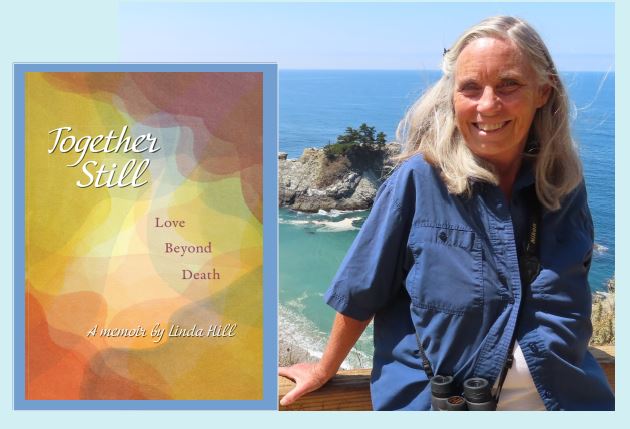
During the first four years, my journaling of my continuing relationship with John led to my Together Still: Love Beyond Death memoir.
Then, with the help of my memoir, I embarked on what is now two years of participatory action research into how others continue their loving relationships beyond the death of their loved ones.
Many of you reading this blog have been part of this research.
So far I have hosted over 250 story sharing circles for over fifty people. Each circle welcomes a small group of six to twelve participants who come together as peer counsellors, co-facilitators and co-researchers.
Some people have come once or twice. Many come over and over again.
This back-and-forth shifting from a close-up, internal view based on personal experience to a big-picture view provides a depth and breadth of understanding that is empowering and meaningful.

By sharing our stories and listening to others, we each gain emotional support, insight and encouragement to develop our lived experiences into intentional practices.
After two years of learning together, eleven of us are meeting for another ten week session.
In addition to continuing to learn from and support each other by sharing our stories, these participants are helping me prepare to transform the past two years of research into a guidebook of skills and practices that will accompany my memoir.
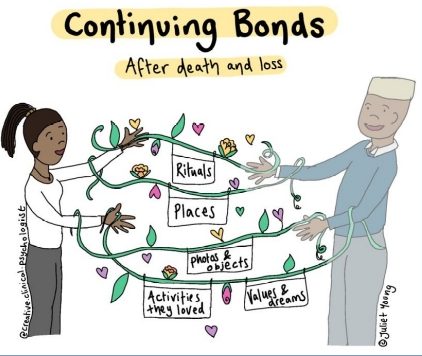
Here are brief descriptions of four research-based practices to give you a glimpse of this book that is still on the drawing board. Although everyone’s journey through grief is unique, these practices have emerged again and again from our shared experiences.
The first practice is telling your love stories to your family and friends. The stories that heal us are rarely stories about dying. Death is but a brief chapter in a life filled with stories of loving, laughing, learning, overcoming challenges, and leaving legacies. Love stories reconnect us with gratitude, affection, humour, and belonging. Each time we tell them, we savour the experiences that have shaped our lives rather than dwelling on what has been lost.
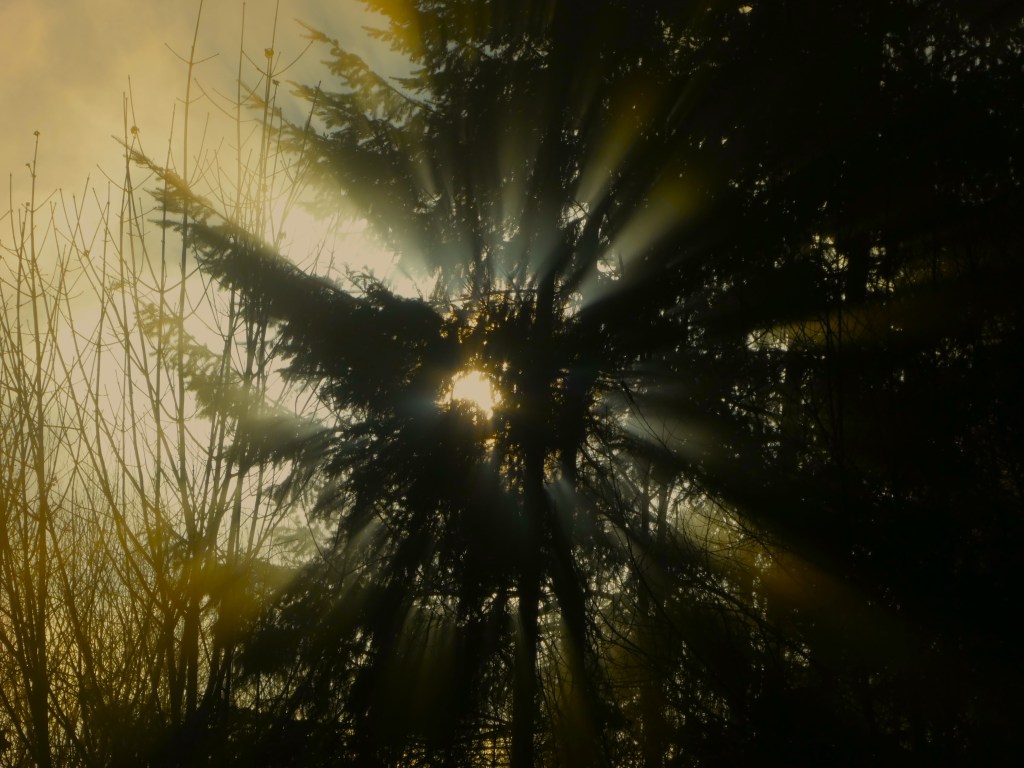
A second practice is to fine-tune your extra-sensory-perception (ESP).
The time after the death of a loved one is a time of heightened sensitivity to a sense of our loved ones presence and to communication through dreams, synchronicities, coincidences, favorite songs, familiar scents, signs, symbols and other messages.
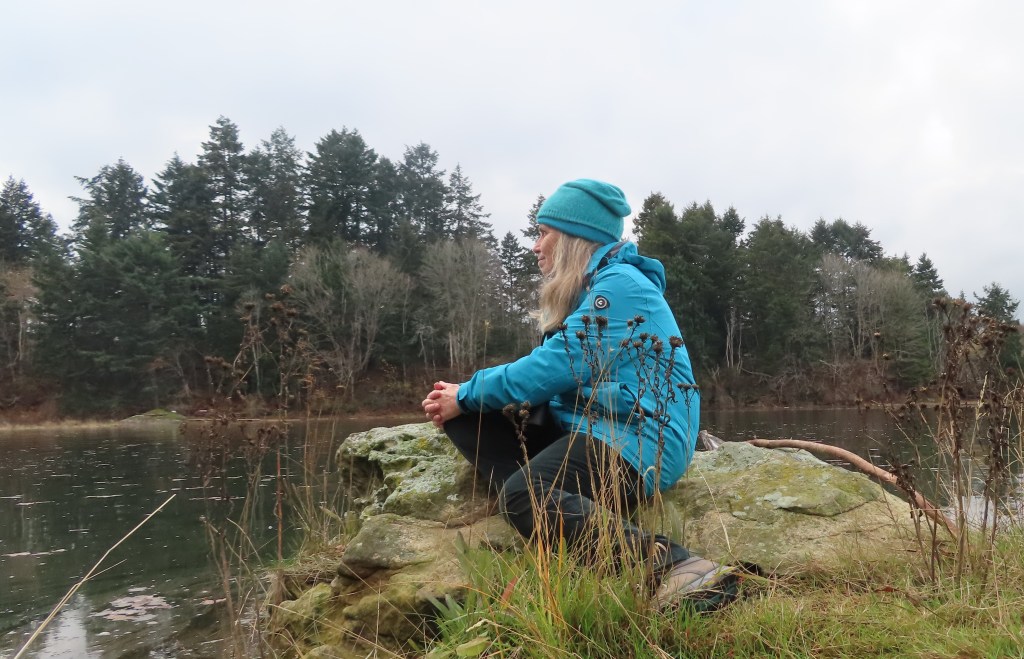
A third practice is immersing yourself in the spirituality of nature.
Many people find that attending to the sights, sounds, scents, and rhythms of forests, rivers, birds, mountains, and changing seasons brings us closer to loved ones who have died and provides direct lines of reassuring, awe-inspiring communication and guidance.
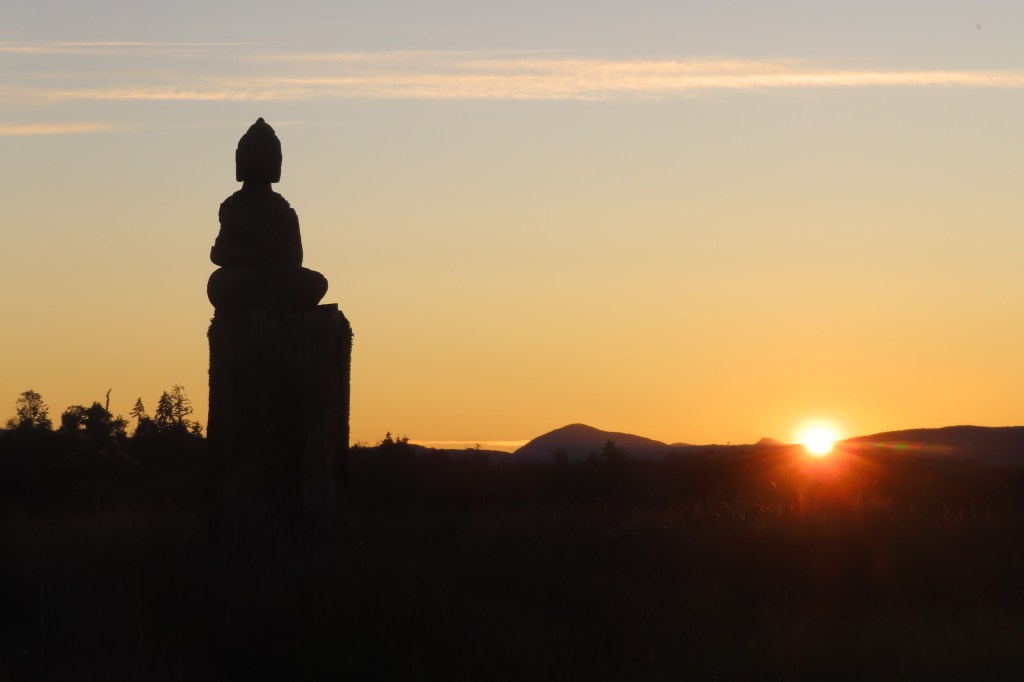
Going on pilgrimages is a fourth practice.

A pilgrimage may be as complex as travelling to a different country, or as simple as sitting at the kitchen table looking through old photo albums, returning to old neighbourhoods, or walking a favourite beach or familiar forest trail.
The slow pace of a pilgrimage invites us to reflect as we revisit places that hold meaning and rediscover ourselves within the larger story of our lives.
None of these practices are meant to replace the natural rhythms and seasons of mourning. But, in the midst of grief, they do offer possibilities for healing, deeper connection, and transformation. Many of us have found that these ways of continuing our loving relationships with loved ones who have died seem to encourage us to become more open, patient, compassionate, courageous, grateful, and present with everyone in our circles of love.
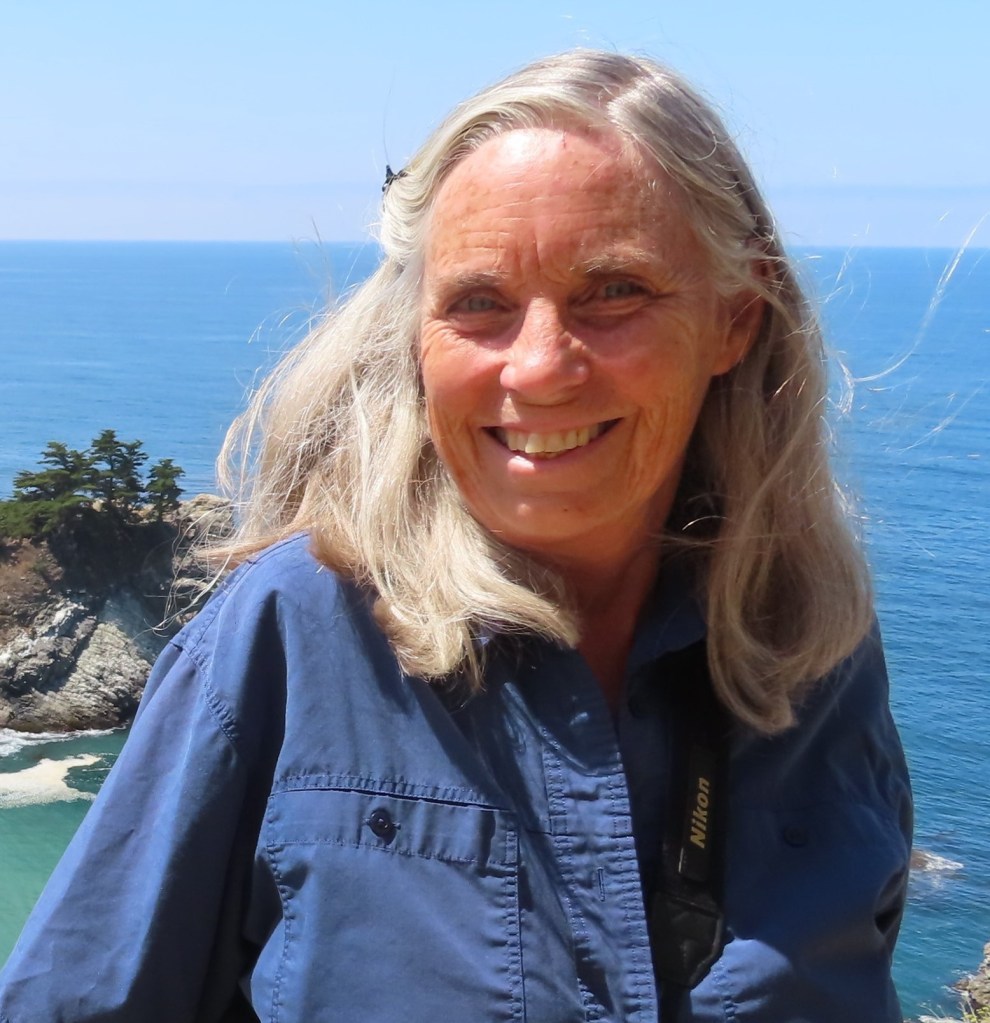
My name is Linda Hill. When someone we love dies, the outcome of our deep love is deep grief. We can gradually transform our grief back into the love it has always been through a well researched set of tangible and spiritual practices for Continuing Loving Bonds)
Please forward this email on to anyone you know who might appreciate this post about practices for Continuing Loving Bonds. And, if someone has forwarded you this email, I hope you will subscribe to my blog. If you are reading this blog post on my www.continuinglovingbonds.ca website, you can type your email in the form below and press “Subscribe.” Or you can send an email to: linda@continuinglovingbonds.ca


